


-

Add: HeBei ShengShi HongBang Cellulose Technology CO.,LTD.
-

Email
13180486930@163.com -

CONTACT US
+86 13180486930


wood cellulose is a key solution in the manufacturing industry, specifically within Paper and paper products industry and Pulp manufacturing. This article explores how HeBei ShengShi HongBang Cellulose Technology CO.,LTD. supports professionals with durable, high-performance products, and explains why this product is an ideal choice for businesses in these sectors. Table of Contents wood cellulose Overview Benefits & Use Cases of wood cellulose in Pulp manufacturing Cost, Maintenance & User Experience Sustainability & Market Trends in manufacturing Conclusion on wood cellulose from HeBei ShengShi HongBang Cellulose Technology CO.,LTD. wood cellulose Overview In pulp manufacturing, wood cellulose—sometimes described as cellulose wood fibers or xylem fiber—forms the structural backbone of paper performance. Derived through controlled cellulose extraction from wood, it is purified to deliver consistent fiber morphology, strength-contributing hydrogen bonding, and surface chemistry that interacts predictably with wet‑end additives. HeBei ShengShi HongBang Cellulose Technology CO.,LTD. engineers precision-grade fibre made from wood pulp with tight specifications on fiber length distribution, brightness, moisture, and ash—key levers for tensile, tear, and formation. Typical paper-grade specifications include high alpha‑cellulose content, low ash (≤0.5%), controlled moisture (5–8%), and tailored fiber lengths for different furnishes and grades. Relevance: wood cellulose delivers strength, runnability, and dimensional stability across packaging, printing/writing, specialty, and tissue grades. Technical background: Through kraft/sulfite pulping and ECF/TCF bleaching, cellulose extraction from wood yields a clean, bond‑ready fiber network; controlled fines and fiber length allow mills to balance drainage, strength, and formation. Case insight: A specialty paper line adding 0.6–1.0% tailored xylem fiber reported double‑digit tensile gains while holding basis weight constant, reducing refining energy and improving press‑section dryness. Partner you can trust: HeBei ShengShi HongBang Cellulose Technology CO.,LTD. provides consistent COA-backed lots, application guidance, and fast lead times for global mills. Benefits & Use Cases of wood cellulose in Pulp manufacturing From the stock chest to the reel, wood cellulose optimizes the papermaking window. In packaging and board, longer cellulose wood fibers reinforce the sheet, enabling basis‑weight down‑gauging without compromising SCT/ECT. In printing and specialty papers, precisely screened xylem fiber improves tensile and internal bond, supporting smoother calendering and better printability. Tissue producers leverage select fibre made from wood pulp to balance softness with tensile for converting efficiency. For mineral‑filled grades, the right fiber geometry enhances PCC/GCC retention and formation, cutting chemical costs while maintaining opacity. Applications: wet‑end strength build, refining energy reduction, improved drainage/press dryness, filler loading optimization, and barrier/functional papers where fiber network integrity is critical. Competitive advantages: consistent fiber morphology, narrow moisture range for dosing stability, excellent compatibility with starch, PAE, and polyacrylamide systems, plus reliable brightness for visual-critical grades. Sector expertise: HeBei ShengShi HongBang Cellulose Technology CO.,LTD. supports trials, dilution and feeder setup, and grade‑specific recipes—backed by the company’s dedicated xylem fiber product line at the product page . Cost, Maintenance & User Experience Total cost of ownership with wood cellulose hinges on yield, energy, and chemical savings. Mills typically see reduced specific refining energy thanks to bond‑ready fibers; improved drainage can lower steam load in dryers, while better fines/filler retention trims wet‑end chemical spend. Many operations justify adoption via basis‑weight reduction or tensile targets achieved at equal basis weight, producing a quantifiable ROI measured in weeks or a few months depending on grade mix and furnish. HeBei ShengShi HongBang Cellulose Technology CO.,LTD. further improves TCO with predictable lot‑to‑lot quality and dependable lead times that minimize inventory risk. Durability and handling: Supplied as free‑flowing, low‑dust fibers designed for enclosed conveying and loss‑in‑weight feeders; store dry, palletized, and away from moisture to maintain dosing accuracy. User experience: Paper producers report stable headbox consistency, quick wet‑end equilibrium during grade changes, and fewer breaks due to improved internal bond—translating to higher OEE and reduced waste. Service: Technical teams assist with trial plans, target dosages, and synergy with starch/PAE systems to accelerate results and ensure a strong business case. Sustainability & Market Trends in manufacturing Sustainability sits at the center of market growth for wood cellulose. As brands replace plastics with fiber‑based packaging, demand rises for high‑performance sheets that are recyclable and compostable. Regulatory momentum—from single‑use plastics restrictions to extended producer responsibility—favors renewable, responsibly sourced materials. Mills increasingly request FSC/PEFC chain‑of‑custody, ECF/TCF bleaching pathways, and low‑impact chemistries, all of which align with modern cellulose extraction from wood and cleaner production practices. Meanwhile, barrier papers, molded fiber, and lightweighting in containerboard are expanding end‑markets for engineered cellulose wood fibers. HeBei ShengShi HongBang Cellulose Technology CO.,LTD. advances eco‑conscious manufacturing with resource‑efficient processes, closed‑loop water, and rigorous quality systems that support customer LCA goals. Forward‑looking innovation: application support for lightweighting, higher filler strategies, and barrier/functional papers ensures mills capture value while maintaining recyclability and performance. Conclusion on wood cellulose from HeBei ShengShi HongBang Cellulose Technology CO.,LTD. For B2B decision makers in pulp manufacturing, wood cellulose is a proven lever to unlock strength, efficiency, and sustainability—supporting basis‑weight reduction, better runnability, and lower energy and chemical usage. HeBei ShengShi HongBang Cellulose Technology CO.,LTD. delivers reliable, specification‑tight fibre made from wood pulp, backed by technical support that accelerates ROI and de‑risks scale‑up. If your roadmap includes quality gains, cost optimization, and eco‑design, our xylem fiber portfolio is ready to help you get there. Contact us: email: 13180486930@163.com Visit our website: https://www.sshbhpmc.com
- 40000tons

Production
- 20+years

Experience
- 5000+㎡

Acreage

-

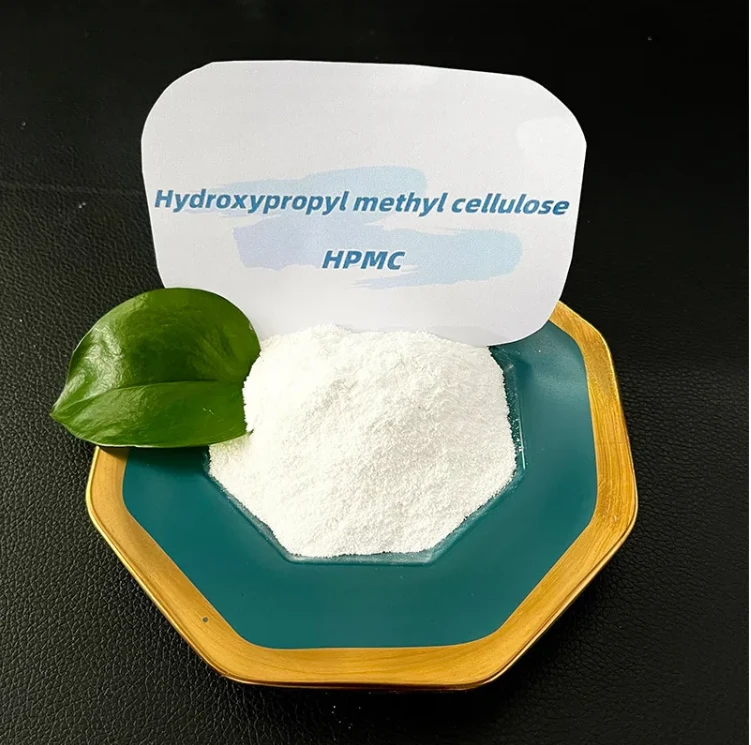
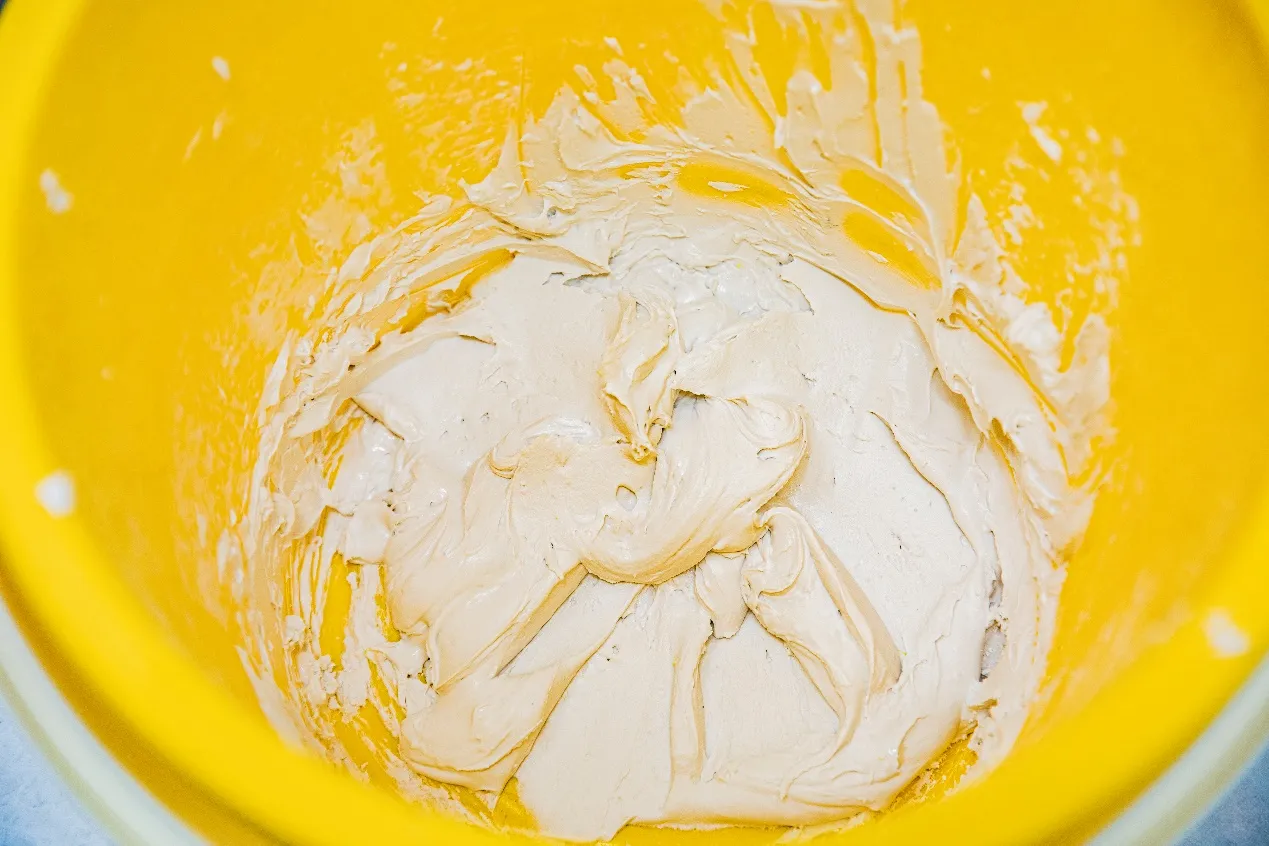
Hydroxypropyl Methylcellulose (HPMC) has been transforming the construction industry with its versatile and potent properties. As a non-ionic cellulose ether, HPMC is renowned for its ability to improve the consistency, workability, and mechanical properties of construction materials. Drawing from consistent field applications, HPMC has demonstrated profound advantages in various construction processes. Notably, its water retention capacity is crucial for cement-based materials like mortar and concrete. By improving water retention, HPMC prevents premature drying, ensuring adequate hydration of cement particles and resulting in stronger, more durable finishes. This singular property enhances the workability of mortars, allowing builders to achieve smoother applications and finishes. In construction products such as tile adhesives, HPMC provides a remarkable enhancement to bond strength. It aids in maintaining a uniform distribution of adhesive, crucial for the precision required in tile installations. Its ability to control viscosity ensures that the adhesive remains at optimal thickness, which is integral for bonding effectiveness. From a professional standpoint, the versatility of HPMC allows for its inclusion in an array of products beyond adhesives, such as self-leveling underlayments and plasters. In self-leveling compounds, HPMC's modification capabilities ensure that the compound flows effortlessly, crucial for creating level substrates in flooring systems. Such functionality not only reduces time and effort required on site but also minimizes errors and material wastage. hpmc for construction Research and development within the chemical domain underpin the authority of HPMC in construction applications . Products enhanced with HPMC are subjected to rigorous testing and quality assurance processes, guaranteeing performance consistency. These evaluations are backed by industry standards and certifications, reinforcing HPMC's credibility and effectiveness in construction products. The trustworthiness of HPMC as a construction additive is evident in the widespread reliance by professionals across the globe. Its non-toxic and biodegradable nature adds an additional layer of trust for environmentally-conscious projects. Construction experts and material scientists highlight the compound's adaptability to different environmental conditions, ensuring resilience and longevity in a variety of climates. HPMC's integration into eco-friendly and sustainable building practices further anchors its reputation. With global construction trends moving towards sustainable solutions, HPMC serves as an ally in achieving certifications like LEED by enhancing energy efficiency and resource conservation in construction processes. In summary, HPMC's influence in the construction industry epitomizes the blend of experience, expertise, authoritativeness, and trustworthiness. Its multifaceted properties not only improve construction material performance but also align with sustainable practices, making it indispensable in modern construction solutions. As technology advances and the industry evolves, HPMC’s role is anticipated to expand, inspiring innovation and ensuring quality across construction endeavors.
-
Unlocking the Benefits of Purchasing HPMC A Comprehensive Guide Hydroxypropyl Methylcellulose (HPMC) is a versatile material with applications spanning from construction to pharmaceuticals and beyond. Understanding the ins and outs of purchasing HPMC can significantly impact the efficiency and cost-effectiveness of your project. This guide offers insightful tips based on real-world experiences, expert knowledge, and authoritative insights into the procurement of HPMC, ensuring that your purchase is both economical and practical. The Importance of HPMC in Diverse Industries HPMC has gained a reputation for its multifunctional properties. For construction, it improves workability, water retention, and adhesion in cement-based products. In pharmaceuticals, it acts as a binder and controlled-release agent in tablet formulations. This wide range of uses underscores the product's relevance and the necessity for careful selection for specific applications. Selecting the Right Supplier The first step in purchasing HPMC involves identifying a reputable supplier. Experience counts; therefore, consider suppliers with extensive backgrounds in chemical distribution. Investigate their track record, client feedback, and quality control processes. Proactive communication is key . A trustworthy supplier should offer transparency about their sourcing, production processes, and any certifications they hold, such as ISO or GMP, assuring you of their commitment to quality. Quality Considerations Not all HPMC is created equal; variations in viscosity, particle size, and purity can affect performance. Expertise and detail-oriented assessment are crucial. Request samples before making a bulk purchase to evaluate the product's quality under your specific conditions. Laboratory testing or small-scale trials can provide insights into the material's behavior in your application, ensuring it meets your expectations. Cost vs. Value comprar hpmc While negotiating for competitive pricing, don't undermine the long-term value that high-quality HPMC represents. Balancing budget constraints with quality requirements ensures that the material will perform as needed, avoiding potential remediation costs or project delays. Take into account not only the purchase price but also factors such as shipping, handling, and potential import duties, which can add to the overall expenditure. Regulatory Compliance Different regions may have specific regulatory requirements for chemicals like HPMC. Confirm that the product adheres to all relevant industry standards and regulations in your area. Suppliers should provide compliance documentation and support any verification processes. This guarantees that your use of HPMC is within legal parameters and maintains the integrity and reputation of your project or product. Environmental and Ethical Considerations In today’s conscientious business landscape, the ethical sourcing and environmental impact of your materials cannot be overlooked. Choose suppliers who prioritize sustainability, monitoring their environmental impact and enforcing ethical labor practices throughout their supply chain. Not only does this align with responsible business practices, but it also enhances your brand’s reputation and potentially its market share. Leveraging Expertise Consulting with industry experts or engaging with professionals who specialize in material science can offer invaluable insights. Their experience can highlight potential pitfalls and innovative uses of HPMC that you might not have considered. Being open to learning from seasoned practitioners can significantly streamline the decision-making process and optimize the performance of your end product. By adhering to these principles, purchasing HPMC becomes a strategic process that enhances your project's efficiency and reliability. The combination of informed supplier selection, stringent quality assessment, compliance checks, and environmental considerations ensures that your investment in HPMC supports your business's long-term goals and values. Embrace the opportunity to leverage expert insights and create a reliable framework for your material procurement strategy.
advantages
-

200000 Viscosities
Excellent product
We can produce pure products up to 200,000 viscosities
-

40000 tons
High yield
We don’t stop production all year round, and the annual output can reach 40,000 tons
-

24 hours
Quality service
We provide 24-hours online reception service, welcome to consult at any time
———— Inquiry Form
Schedule A services

-
 selulosi_ya_hydroxymethyl
Oct . 25, 2025
Hydroxypropyl methylcellulose (HPMC) and methyl hydroxyethyl cellulose (MHEC) are both crucial compo -
 propyl_methyl_cellulose
Oct . 25, 2025
In today’s fast-paced manufacturing and construction industries, the demand for sustainable and cost -
 serat_yang_diproduksi
Oct . 25, 2025
Hydroxypropyl methylcellulose (HPMC), a versatile pharmaceutical excipient, plays a crucial role in


